How many of you have watched Heated Rivalry over and over again? I’ll admit we’ve watched the show more than once. More specifically, the last two episodes more than the rest. While the first four were great (and hot), there’s something about how the last two played out. Relationships became relationships. No one was pretending anymore. You get to see the anxiety of what it means to be queer and in love.
Which makes for a nice change when you look at queer representation in television and film – a topic that’s always been a sticky wicket. Are there enough queer characters in television and film? Has there ever been too many? Are the roles being played by queer actors versus straight or closeted actors? Does that matter? Do actors owe it to the queer community to be out?
Putting aside all the questions, how the queer community is being represented in Heated Rivalry is what is important. Not the number of queer characters or the sexuality of the actors, but how we are being portrayed and how we are seen.
Because everyone is excited to see themselves on screen. Representation is important no matter which community you are a part of. However, if creators, writers, and directors cannot represent the queer community accurately, then don’t do us the favor of representation. At a certain point, it’s no longer a favor.
I can remember watching the coming out episode of Ellen, and how groundbreaking that moment was. Had she not been splashed all over the news prior to the episode, it might have been more groundbreaking. To have an openly lesbian actor playing a lesbian character on prime time, though, was incredible, and apparently too much. ABC pulled the plug a year later.
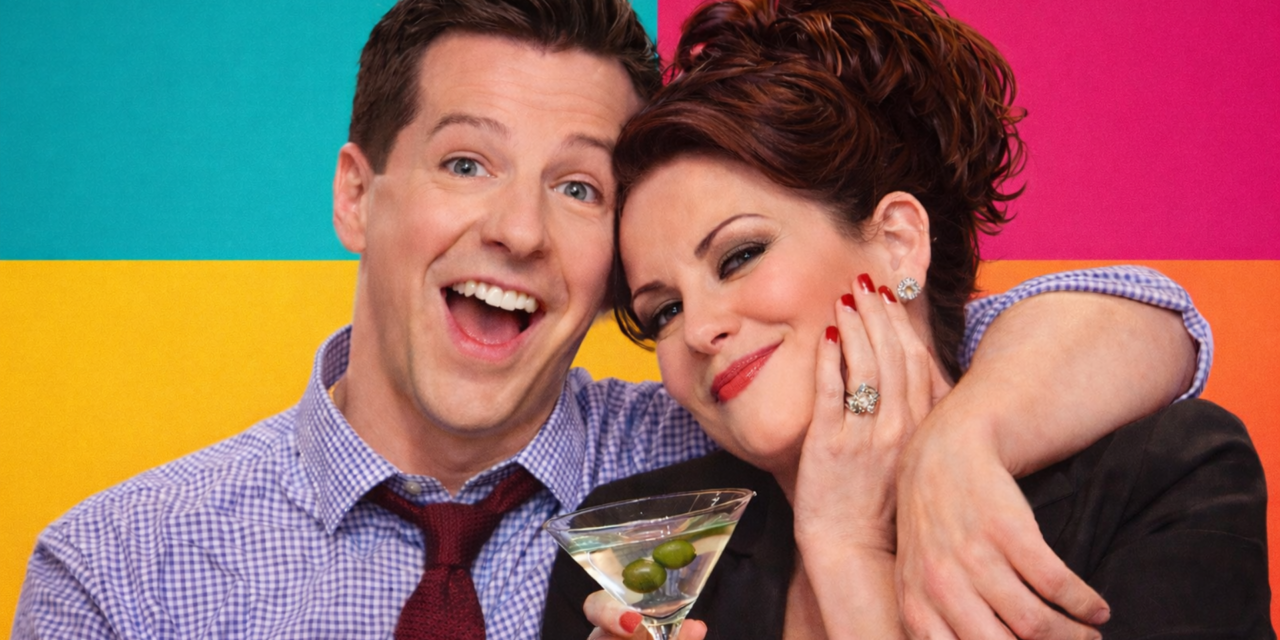
But then along came Will & Grace. Not one gay character, but two. Three if you count the occasional appearance of the unambiguously gay Beverly Leslie and his business associate Benji. Except both Will and Jack were reduced to queer stereotypes – the straight-acting gay guy and his flouncy and flighty best friend.
Queer America was once again being represented on national television. But were two stereotypes the best they could do?
Bear in mind, having characters that weren’t portrayed as tragic figures was a nice change. Nobody tried to kill themselves. No one ended up dying of AIDS. No one was murdered. Even now, when looking for gay films, there’s the question of how the story is going to end. Do we have something truly fun or just another tragedy for the one gay character?
More frustrating is that we know queer representation can be done well. We’ve seen it. Heated Rivalry and Red, White, and Royal Blue most recently. But during the pandemic, who didn’t fall in love with David on Schitt’s Creek? He was tragic in a lot of ways, but none of that tragedy centered on his sexuality. And we watched him become a better person with no one batting an eye about his being queer. That was nothing that needed to be fixed, unlike a lot of the rest of him.
However, my favorite example of queer representation came about when Kids in the Hall dropped in 1988. From the first episode, we were introduced to Buddy Cole. Overtly gay and very unapologetic. Created and portrayed by a gay comedian. Buddy said out loud what I suspect a lot of us were thinking, whether that was about race, closeted actors, and even our own community.
During that first monologue, Buddy dropped a line that still resonates with me: “It’s hard nowadays for a faggot to take risks. But ya gotta try.” Given the current state of affairs, that hits even harder.
But perhaps that what’s we need. People who are willing to take risks. More queer writers, producers, and directors creating moments on television and in film that truly reflect our lives. And then not apologize for it.
The queer community deserves representation. We deserve to be seen. Especially at this moment when so much erasure is happening. And if that can be done well, we would definitely appreciate the favor.